The Digital Transformation of European Table Game Heritage
Kai Neumann · Jun 20, 2026
The Digital Transformation of European Table Game Heritage
Roots in European Social Gatherings
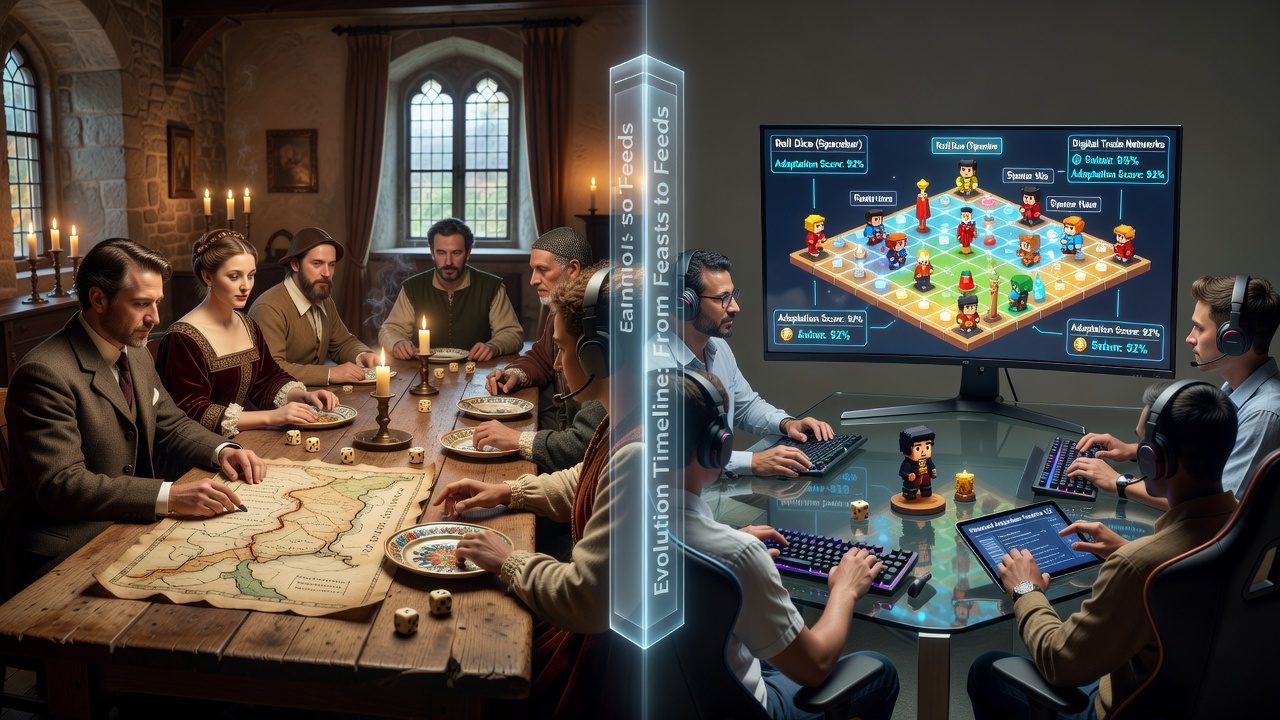
European table traditions emerged centuries ago in taverns, courts, and homes across the continent where people gathered around physical boards and decks for games such as chess variants, tarot-based play, and regional card games originating in Italy and France during the 14th and 15th centuries, and these practices emphasized strategy, memory, and group interaction that carried forward through generations.
Researchers at institutions like the University of Bologna have documented how these customs adapted to changing social structures while retaining core mechanics that rewarded skill and conversation, and by the 19th century printed rulebooks and standardized equipment allowed wider participation across classes and borders.
Early Steps Toward Digital Formats
Computer scientists began recreating these traditions on machines in the mid-20th century with simple chess programs appearing in research labs by the 1950s, and developers later expanded to multiplayer modes once networks connected users in the 1970s and 1980s. Universities in Germany and the Netherlands led early experiments that translated physical turn-taking into digital protocols, which preserved social elements like chat alongside gameplay.
Observers note that the transition accelerated with home computers and early internet services in the 1990s when platforms hosted digital versions of classic European card games and board contests that allowed remote participants to join sessions lasting hours, and this shift mirrored older tavern dynamics while removing geographic limits.
Platform Growth and Multiplayer Mechanics
Commercial services in the 2000s introduced browser-based interfaces and dedicated clients that scaled to thousands of simultaneous players, and data from European digital culture reports indicate steady increases in registered accounts for strategy titles rooted in historical models. Game designers incorporated elements such as ranked ladders, tournament brackets, and shared virtual tables that echo physical club environments, while algorithms handled rule enforcement that once required human oversight.
By June 2026 several major platforms reported record concurrent users for titles adapting French tarot mechanics and Central European board games, and these figures reveal how mobile devices further broadened access beyond desktop setups. Integration of voice channels and emoji reactions maintained conversational layers that defined earlier gatherings, and developers continue refining latency reduction to keep real-time decisions fluid across continents.
Preservation Efforts and Cultural Documentation
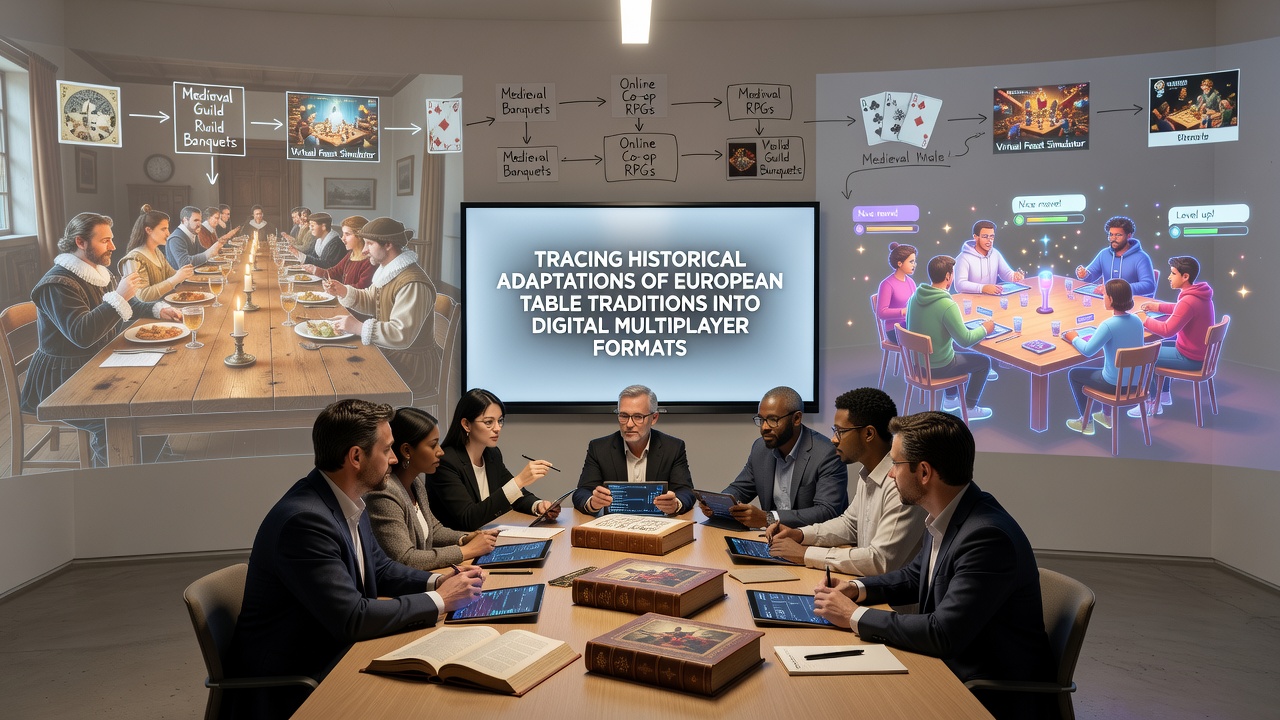
Academic partnerships with gaming companies have produced archives that catalog rule variations from different regions, and studies published through Canadian research networks highlight how digitization safeguards regional dialects of play that might otherwise fade. Organizations such as the European Games Association track adaptations that honor original constraints while adding accessibility options like color-blind modes and adjustable pacing, and these modifications extend participation to wider audiences without altering fundamental strategy.
One case involved a French regional game whose physical sets declined in the late 20th century yet found renewed interest through an online client that attracted players from multiple countries, and similar patterns appear in Scandinavian and Iberian traditions where digital versions now host regular leagues. Government cultural ministries in several EU member states have funded projects that map these evolutions, providing grants that support both historical research and software maintenance.
Technical and Social Adaptations
Engineers addressed challenges such as cheating detection and fair matchmaking by drawing on cryptographic methods and statistical analysis, and industry reports from Australian digital entertainment bodies note that these safeguards build trust comparable to face-to-face settings. Artificial intelligence assists with tutorials that introduce newcomers to complex European rule sets, while community moderators replicate the role of traditional club elders in maintaining etiquette.
Cross-platform compatibility now allows users on consoles, phones, and PCs to share tables, and updates scheduled around mid-2026 aim to incorporate augmented overlays that display historical context during matches. Such features connect contemporary sessions to their origins without interrupting flow, and developers test these additions through beta programs that gather direct feedback from long-term players.
Conclusion
European table traditions continue their journey from physical spaces into digital multiplayer environments through deliberate design choices that retain strategic depth and social exchange, and ongoing documentation ensures regional variations remain accessible. Continued collaboration between historians, technologists, and player communities supports this lineage as networks expand and interfaces evolve, and the pattern established over centuries of adaptation points toward sustained relevance in new formats.