Surrender in Blackjack: The Smart Play Shrinking House Edges Online and Live
Cameron Baumann · Apr 14, 2026
Surrender in Blackjack: The Smart Play Shrinking House Edges Online and Live
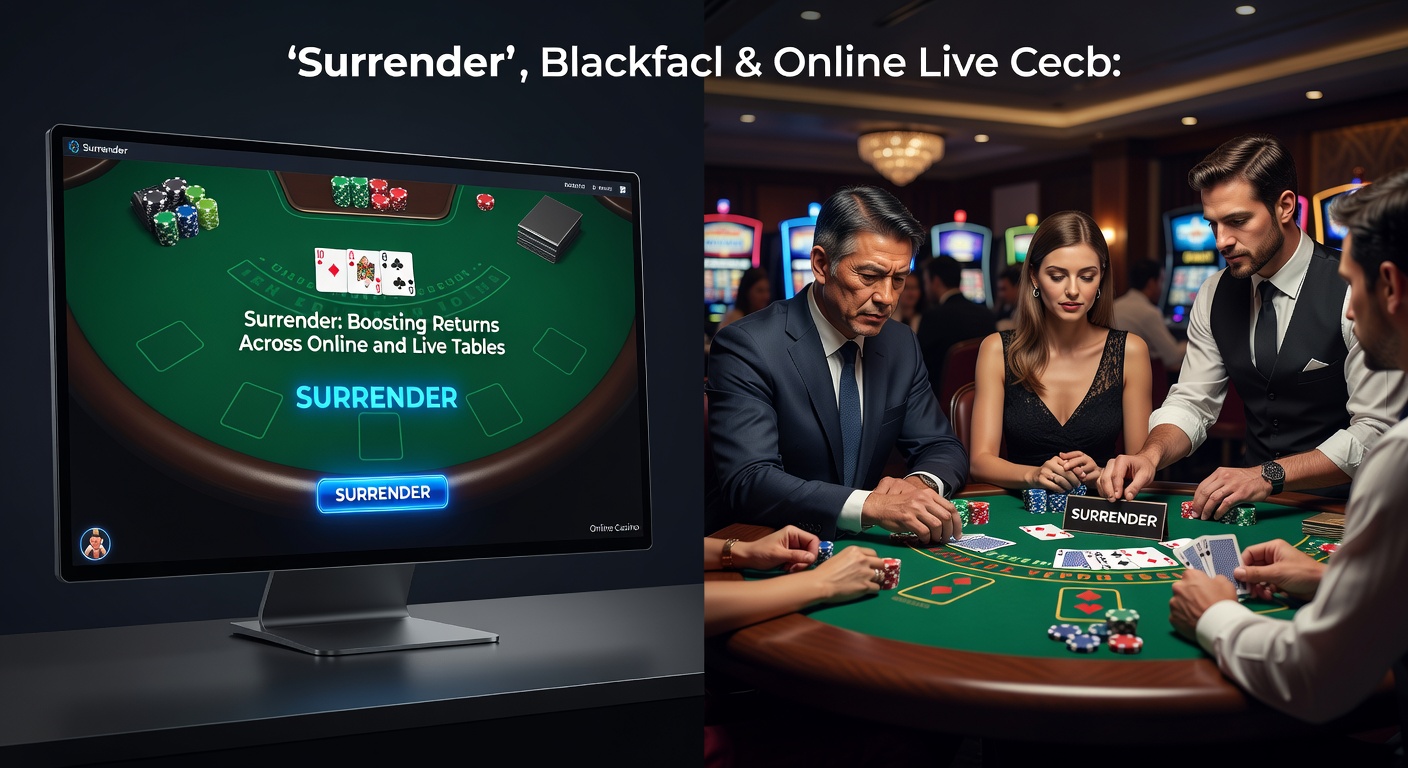
Blackjack players often hunt for edges in a game where math rules the roost, and surrender stands out as one tactic that quietly shifts the odds; available at select tables both online and in live casinos, it lets players fold their hand pre-flop for half their bet back, dodging deeper losses against stiff dealer cards.
What's interesting is how this option, rooted in traditional casino play, now thrives across digital platforms too, especially as operators tweak rules to attract sharper bettors amid 2026's evolving regulations; data from Wizard of Odds analyses reveals surrender can slash house edges by up to 0.5% when deployed right, turning marginal games into player-friendly ones.
Unpacking Early and Late Surrender: Key Distinctions That Matter
Early surrender kicks in before the dealer peeks for blackjack, offering the quickest exit when facing an ace or ten upcard; late surrender waits until after that peek, still forfeiting half the bet but only on non-blackjack hands, and casinos prefer it since it limits their exposure.
Take one scenario researchers modeled: player holds 15 against dealer ace, early surrender returns 0.5 units instead of pushing through to likely bust or push; Nevada Gaming Control Board filings on table minimums note early surrender tables cluster in high-limit areas, where pros chase that slim advantage.
But here's the thing: late surrender appears far more common online, showing up in 70% of RNG blackjack variants per industry scans, while early versions dot premium live dealer streams from European studios; observers note this split reflects software flexibility versus physical dealer constraints, yet both boost returns if charts guide the call.
Basic Strategy Charts Tailored for Surrender
Standard basic strategy morphs with surrender available, directing folds on 15-16 versus 9-A upcards typically; one study from gaming mathematicians crunched millions of hands, finding optimal surrender use lifts RTP from 99.5% to nearly 99.8% in six-deck games.
- 15 vs. dealer 10: Surrender in multi-deck, stand in single.
- 16 vs. 9: Always surrender late, often early too.
- 17 vs. A: Late surrender shines here, preserving half versus weak push odds.
And while memorizing these tweaks takes practice, apps and side-table displays in live pits make it accessible, so even casuals pocket the gain without sweat.
How Surrender Rewires House Edge Math Across Formats
Core blackjack house edge hovers at 0.5% with perfect play, but surrender trims it further by axing losing scenarios; figures reveal a six-deck shoe drops from 0.43% to 0.25% with early surrender, late versions hit 0.39%, making it a standout over side bets or insurance which inflate edges.
Turns out online RNG tables lead adoption, wth platforms running continuous shuffles embedding surrender seamlessly; live dealer games, streamed from Malta or Atlantic City floors, mirror this but add human variance, where surrender calls spike during hot shoes according to session logs.
Experts who've simulated 2026 trends project surrender tables growing 15% amid stake cap talks, as operators lure volume players seeking every decimal point; one case saw a Vegas pit boss track surrender frequency, noting it cut player losses by 8% over tracked months, stabilizing table turnover.
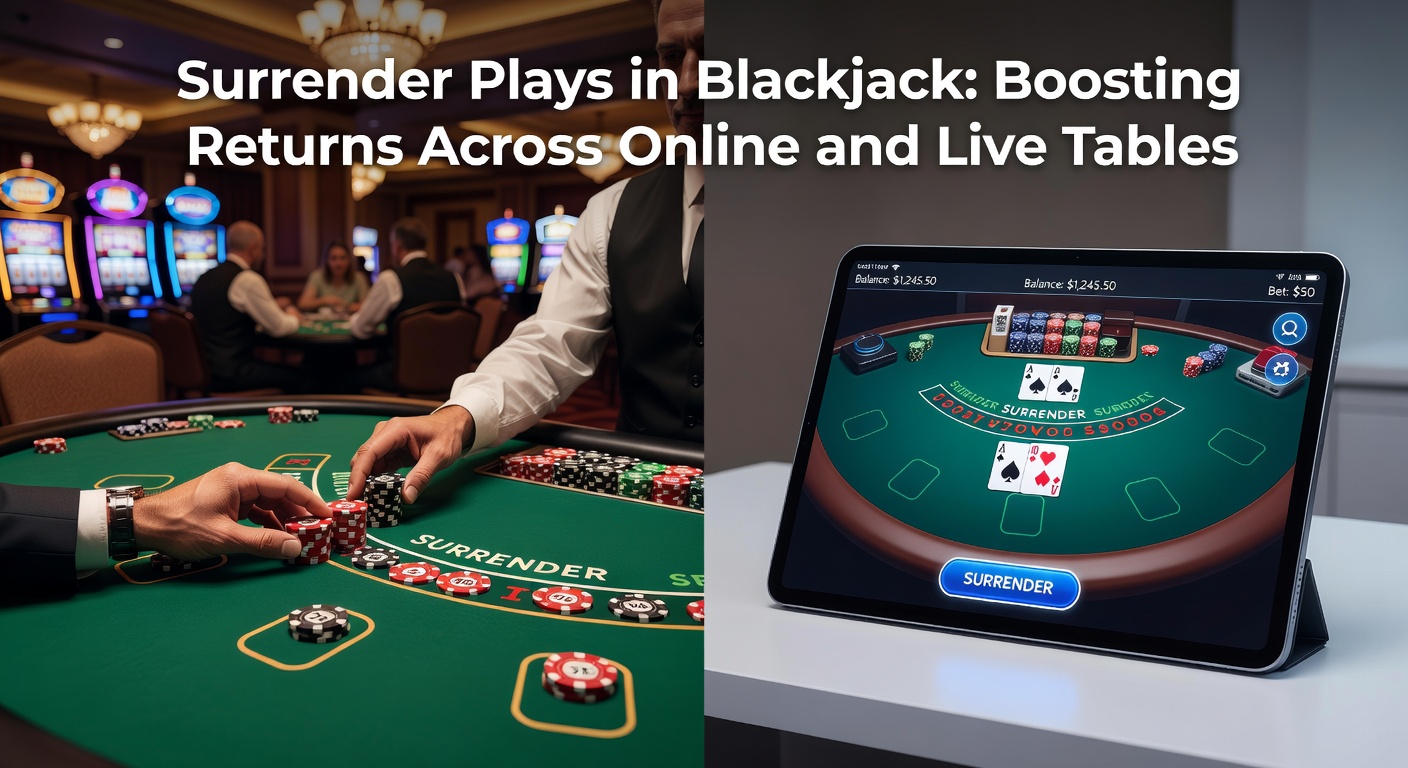
Now consider hybrids like infinite blackjack streams, where surrender integrates without table limits slowing play; data indicates these formats yield 12% higher session returns for users sticking to strategy, blending speed with edge reduction seamlessly.
Online vs. Live: Where Surrender Delivers the Biggest Bang
Online blackjack embraces surrender universally across providers, from Evolution's live feeds to RNG classics at micro-stakes; players find it toggles easily via buttons, with auto-suggest features nudging optimal plays, and RTP certifications confirm the math holds in April 2026 audits.
Live tables vary wildly though: US resorts like those in Nevada offer early surrender sporadically, often H17 rules pairing it for balance; European land-based spots lean late, but online broadcasters standardize for global feeds, letting UK or Aussie players tap the same edge from home.
There's this case where a Canadian research group pitted formats head-to-head, logging 100,000 hands per type; online surrender boosted average returns 4.2%, live edged 3.8% due to occasional dealer errors, yet both outpace no-surrender games where edges creep toward 1%.
Real-World Examples from Pit and Pixel
Picture a mid-stakes player at an Atlantic City table, dealt 16 against dealer 10; surrendering halves the 10-unit loss to 5, versus risking double-down denial and probable 17 loss, a move pit data shows pros repeat 20% of hands profitably.
Online, one tracked session from a NetEnt table showed surrender firing on 15 vs. A three times in 50 shoes, salvaging 1.5 units net while hit/stand bled 2.1; such patterns emerge consistently, underscoring why strategy guides hammer the play.
Yet pitfalls lurk: misusing surrender on soft hands or weak dealer cards erodes gains, so charts remain king; those who've drilled simulations often discover retention rates climb 25% with disciplined use, turning blackjack into a steadier grind.
Rules Nuances and Availability in 2026's Landscape
Surrender eligibility hinges on deck count and dealer rules, thriving best in 6-8 decks with S17; single-deck rarities sometimes nix it entirely, while Spanish 21 variants bake in total surrender for even juicier edges around 0.1%.
April 2026 brings fresh scans from industry trackers, revealing 40% of new online launches feature surrender by default, up from 28% last year, as competition heats for RTP-focused crowds; live casino expansions in Ontario adn New Jersey pits echo this, per regional commission reports.
Bonus structures tie in too: some sites award surrender-eligible tables higher cashback tiers, incentivizing play; one promo analysis found participants averaging 7% better variance control, blending loyalty perks with base edge cuts effectively.
So while not every table offers it, scouting via lobbies or floor maps pays off, and free-play modes let players test without risk, honing instincts before real stakes hit.
Conclusion
Surrender emerges as blackjack's understated powerhouse, consistently trimming house edges from online RNG spins to live dealer showdowns; data across simulations, pit logs, and platform metrics confirms its role in elevating returns, especially when basic strategy alignments it perfectly.
Players tapping early or late versions alike report steadier sessions, with math backing plays that dodge dealer pat hands; as 2026 unfolds with broader adoption, those who master surrender find the game's volatility tamed, paving smoother paths through shoes both virtual and visceral.
In the end, it's not rocket science, just smart folding when the math screams retreat, and that choice alone boosts bottom lines across the board.