Fund Allocation Trends Across Digital Table Game Platforms
Eden Wolf · May 28, 2026
Fund Allocation Trends Across Digital Table Game Platforms
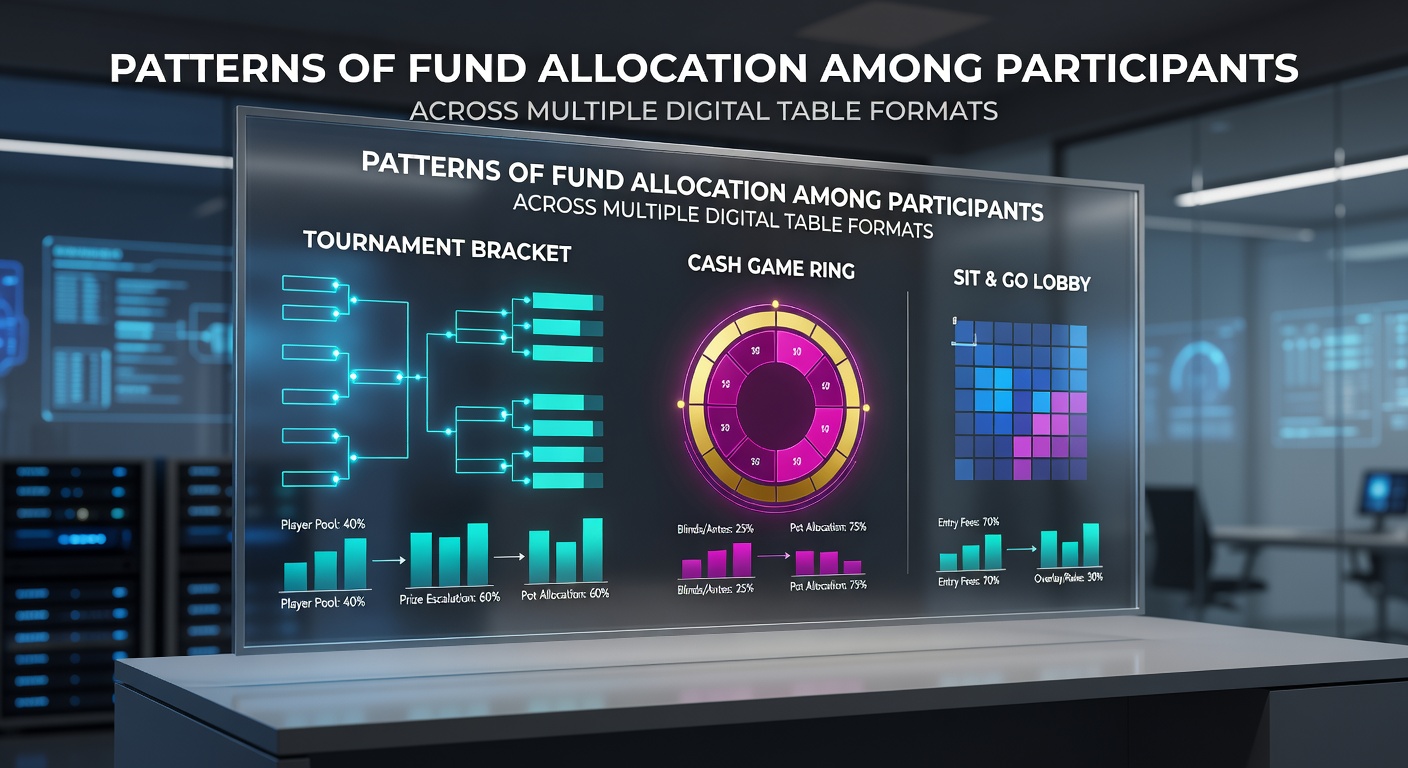
Digital table games draw participants who spread their available funds according to specific patterns that shift with game type, session length, and platform structure. Observers note these allocation habits through aggregated transaction data collected from operators in regulated markets. Studies from academic institutions track how players divide bankrolls between base wagers, side bets, and reserve portions across multiple formats.
Observed Distribution Methods in Core Formats
Blackjack sessions online typically see participants commit 40 to 60 percent of total session funds to initial bets while holding the remainder for potential doubles or splits. Roulette play breaks down differently, with many allocating smaller percentages per spin yet maintaining steadier overall spend rates over longer periods. Baccarat tables reveal a preference for consistent banker or player wagers that consume roughly 70 percent of allocated funds in a single stretch before players pause.
Craps digital versions produce wider variance because participants often reserve portions specifically for odds bets behind the pass line. Data collected through 2025 shows these patterns hold steady across desktop and mobile interfaces, though mobile users tend to fragment their allocations into shorter bursts.
Regional Data and Platform Comparisons
Research from the University of Nevada Reno's gaming studies program examined transaction logs from North American platforms and found blackjack participants maintain higher reserve ratios than roulette players in the same demographic groups. Australian researchers at the University of Sydney published findings in early 2026 that tracked similar habits among local operators, noting baccarat users there direct larger shares toward repeat wagers rather than spreading across multiple table types.
European operators outside the United Kingdom reported comparable trends through industry association summaries released in March 2026. These reports indicate participants in multi-game environments shift allocations more frequently when switching between formats within one session.
Factors Shaping Allocation Choices
Session duration plays a measurable role, according to simulation studies released by Canadian research groups in late 2025. Shorter sessions correlate with tighter initial commitments, whereas extended play encourages gradual release of reserved funds. Platform features such as quick-deposit tools and visible balance trackers also influence how much players set aside at the start versus during active rounds.
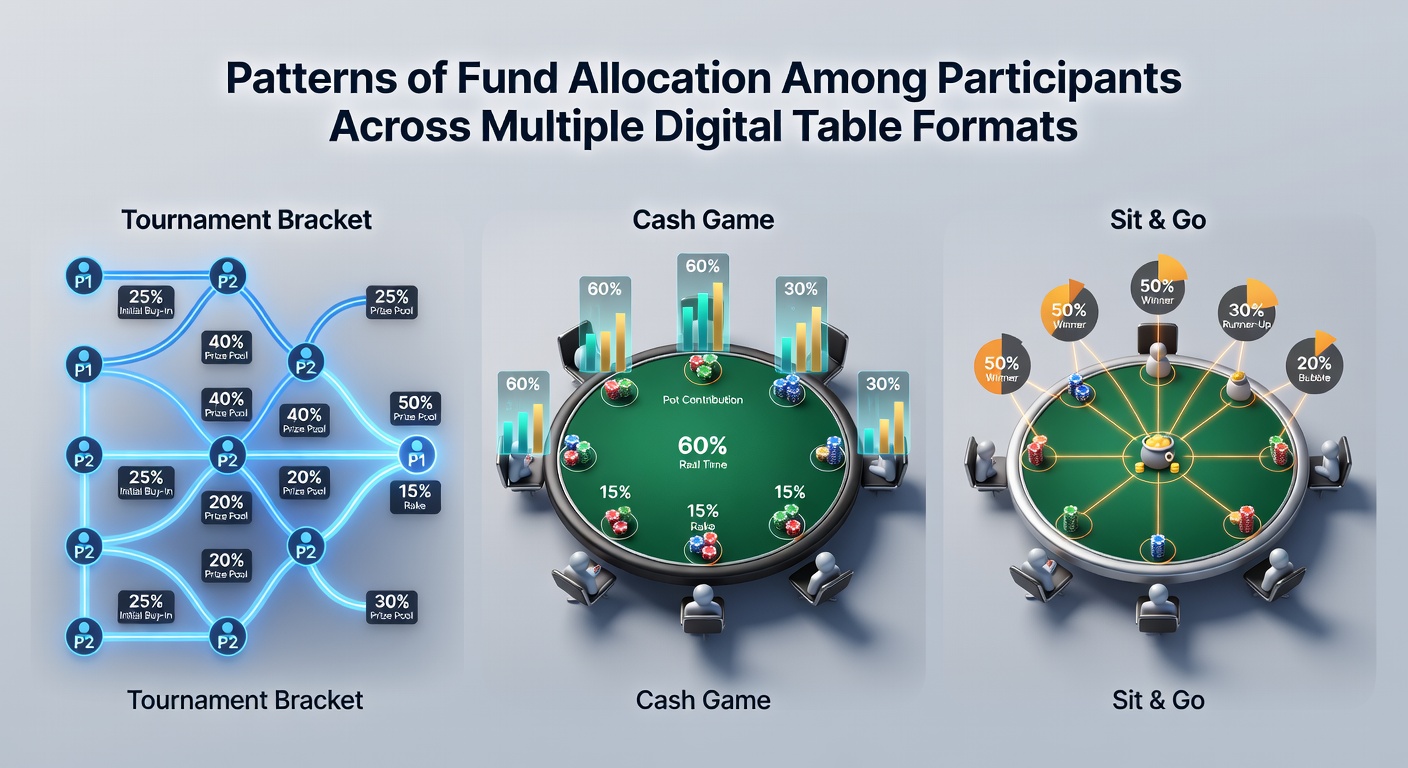
Game pace affects decisions too. Faster formats like digital roulette prompt smaller per-round commitments spread across more decisions, while slower games allow larger single allocations before the next betting cycle begins. Observers tracking behavior through May 2026 note these differences remain consistent even as new interface updates roll out on major platforms.
Multi-Format Participation Trends
Players who move between table types within one account show distinct cross-format habits. Funds initially assigned to blackjack often transfer at reduced percentages when the same participant switches to craps, while baccarat users maintain steadier amounts across switches. Aggregated logs from North American and Australian sites reveal that roughly one-third of active accounts engage with at least two table formats per month, producing measurable shifts in how remaining balances get redeployed.
Those patterns appear in both casual and higher-volume accounts, though volume levels change the absolute amounts involved rather than the proportional splits. Platform operators track these movements to refine responsible gaming tools without altering core game mathematics.
Conclusion
Allocation patterns across digital table formats reflect measurable responses to game rules, session structures, and platform design elements. Data gathered through 2026 continues to map these behaviors across regions and player groups, providing operators and researchers with clearer views of how participants manage funds in live digital environments. Continued monitoring of transaction records will likely refine these observations as new formats and features emerge.